Generative AI in Software Development: Revolutionizing Code Generation
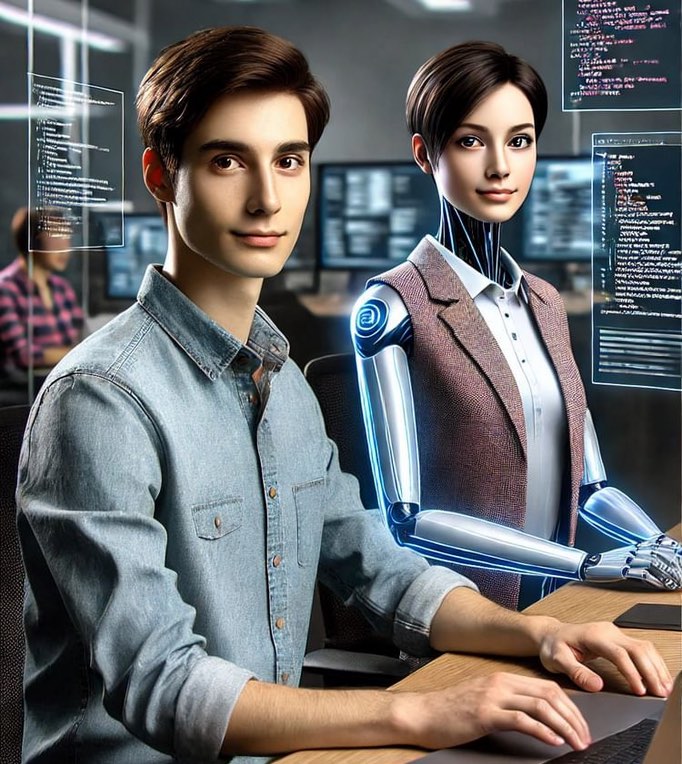
Generative AI: The Era of Automated Code Generation
Generative AI is transforming the Software Development Life Cycle (SDLC), moving beyond simple requirements analysis to full-scale automated code generation. Here is how this technology is reshaping the landscape for developers and organizations.
The Use Case
Automated code generation involves training machine learning models on vast repositories of existing code. These models translate natural language descriptions or high-level specifications into new, functional code—ranging from basic utility functions to complex algorithms.
if n in {0, 1}:
return n
return fibonacci_of(n - 1) + fibonacci_of(n - 2)
How It Works
1. Training
The model ingests millions of lines of open-source code, learning syntax patterns, logic structures, and industry best practices.
2. Input Processing
The system parses the user's natural language prompt or technical specification into a structured format.
3. Code Generation
Using predictive modeling, the AI constructs the code block that best fits the request context.
4. Refinement
The developer reviews the output and can request iterations (e.g., "optimize for memory"), prompting the AI to refine the code.
Key Benefits
Drastically reduces time-to-market for new features and enables rapid prototyping.
Minimizes human-prone mistakes like syntax errors or typos, resulting in stable builds.
Enforces strict adherence to coding standards and best practices found in the training data.
Acts as a pair programmer, exposing developers to new patterns and algorithms.